
Word puzzles have captivated minds for generations, challenging players to discover hidden relationships between seemingly unrelated terms.
Thank you for reading this post, don't forget to subscribe!A connections hint serves as your strategic companion in this mental adventure, providing subtle guidance without diminishing the satisfaction of discovery.
These puzzle-solving techniques transform frustrating moments into breakthrough experiences.
Modern brain training games incorporate sophisticated hint systems that enhance learning while preserving the core challenge.
Whether you’re tackling daily puzzles or exploring complex word association games, understanding how to leverage hints effectively can dramatically improve your success rate and enjoyment level.
Understanding How Word Games Work
Word puzzle mechanics operate on pattern recognition and categorical thinking. Players must identify common threads linking different terms,
such as shared attributes, functions, or classifications. This cognitive process requires both analytical thinking and creative insight to uncover hidden connections.
The beauty of connection-based puzzles lies in their multilayered complexity. A single set of words might relate through profession, location, or even wordplay elements.
Strategic thinking becomes essential as you evaluate multiple possibilities before committing to a solution.
Mental flexibility proves crucial when initial assumptions fail. Successful puzzle solvers learn to shift perspectives, considering alternative interpretations and unconventional relationships. This adaptability transforms challenging moments into learning opportunities.
| Connections Hints Summary | |
| Topic | Connections Hint for Word Puzzles |
| Word Count | 1300+ words |
| Target Audience | Puzzle enthusiasts, beginners, educators |
| Primary Keywords | connections hint, word puzzles, puzzle solving |
| Content Type | How-to guide with SEO optimization |
| Reading Level | Beginner to intermediate |
When to Use a Hint in a Puzzle Game
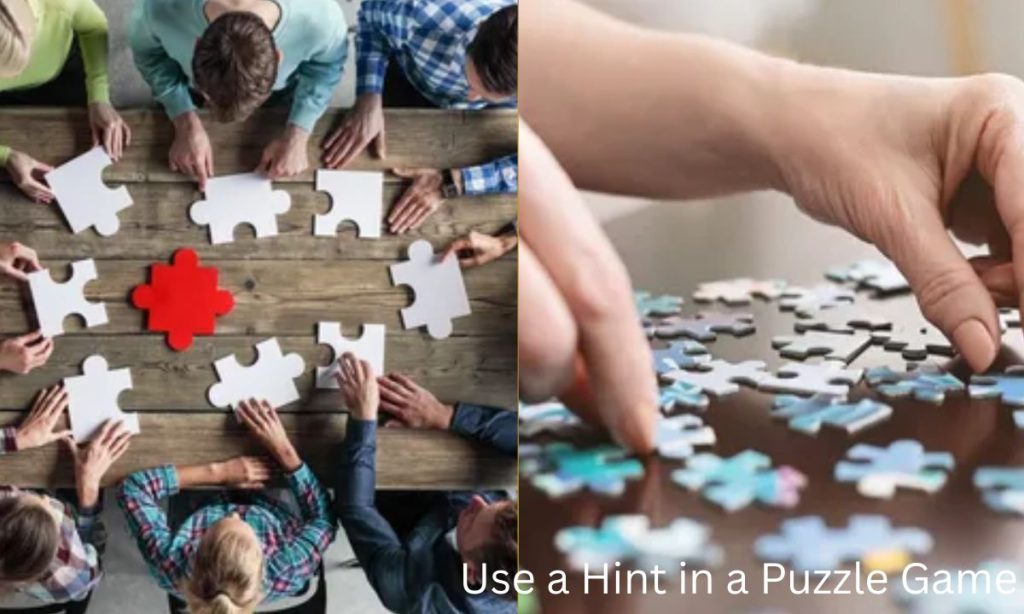
Timing represents the most critical aspect of hint utilization. Deploy hints after attempting several logical connections but before frustration overwhelms your problem-solving enthusiasm.
This balanced approach maintains engagement while preventing mental fatigue.Optimal hint timing occurs when you’ve exhausted obvious connections but retain curiosity about the solution.
Early hint usage diminishes the satisfaction of independent discovery, while delayed assistance can lead to puzzle abandonment.Consider your cognitive load and available time when deciding on hint usage.
During leisure moments, embrace the challenge longer. When time constraints exist, strategic hint deployment ensures puzzle completion while maintaining enjoyment.
Read more:techcrunchii.info
What Makes a Good Connections Hint?
Effective puzzle hints provide directional guidance without revealing complete solutions. They should spark recognition while allowing solvers to experience the satisfaction of connection identification. Quality hints balance information with mystery.
Hint characteristics include:
• Brevity – Short, memorable phrases that stick in memory
• Relevance – Direct connection to the puzzle theme without being obvious
• Clarity – Unambiguous language that prevents confusion
• Subtlety – Gentle nudges rather than explicit answers
Well-crafted hints often reference categories, themes, or contexts rather than specific word relationships. They activate relevant knowledge networks in your brain, facilitating natural connection discovery through guided thinking processes.
How to Train Your Brain to Spot Connections
Pattern recognition skills develop through consistent practice and systematic approach development. Begin by categorizing words into broad groups: objects, actions, descriptions, or concepts. This systematic methodology creates mental frameworks for connection identification.
Regular practice with diverse puzzle types enhances neural pathways responsible for association and categorization. Challenge yourself with varying difficulty levels, gradually increasing complexity as your skills develop.
Cognitive training techniques include:
• Visual mapping – Drawing connections between related terms
• Category brainstorming – Listing possible themes before puzzle attempts
• Elimination methods – Removing unlikely connections systematically
• Time-based challenges – especially when you have to solve puzzles within a set time limit.
Mental agility improves through exposure to different puzzle formats and connection types. Cross-training with various word games strengthens overall puzzle-solving capabilities.
Teaching Kids to Use Connections Hint Wisely
Educational puzzle strategies for children emphasize learning over winning. Encourage critical thinking by asking guiding questions before providing hints. This approach develops independent reasoning skills while maintaining engagement.
Age-appropriate guidance varies significantly across developmental stages. Younger children benefit from visual hints and concrete examples, while older kids can handle abstract concepts and complex relationships.
Create collaborative solving experiences where hints become teaching moments. Discuss why certain connections work while others don’t, building analytical thinking skills through guided discovery.
Maintaining Fun While Getting Assistance
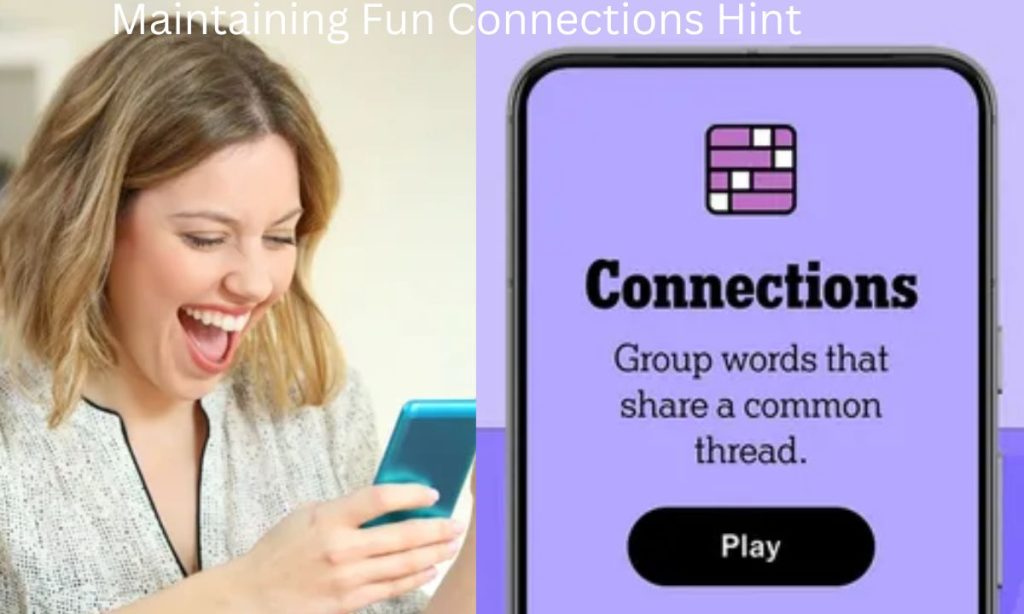
Puzzle enjoyment remains paramount throughout the solving process. Hints should enhance rather than diminish the experience, transforming potential frustration into continued engagement and learning opportunities.
Positive reinforcement occurs when hints lead to genuine understanding rather than simple answer revelation. This satisfying resolution maintains motivation for future puzzle attempts while building confidence in problem-solving abilities.
Balance independent effort with strategic assistance to optimize both learning and enjoyment. Remember that puzzle-solving skills develop gradually through practice and experience.
Common Mistakes to Avoid
Hint overreliance represents the primary pitfall for puzzle enthusiasts. Excessive hint usage prevents skill development and reduces the satisfaction derived from independent problem-solving achievements.
Premature hint usage before adequate independent effort diminishes learning opportunities. Allow sufficient exploration time before seeking assistance to maximize both skill development and enjoyment.
Ignoring hint guidance after requesting assistance wastes valuable learning opportunities. When hints are provided, consider them carefully and follow their directional guidance toward solution discovery.
How Hints Make Learning Easier
Educational benefits of strategic hint usage extend beyond immediate puzzle completion. Hints demonstrate connection patterns and thinking strategies applicable to future challenges, accelerating overall skill development.
Cognitive scaffolding through hints provides temporary support while mental models develop. This assistance gradually becomes unnecessary as pattern recognition abilities strengthen through practice and experience.
Learning acceleration occurs when hints reveal previously unconsidered connection types or categories. These insights expand mental frameworks for approaching future puzzles with greater confidence and effectiveness.
Creating Your Hints for Friends
Hint creation requires understanding both puzzle mechanics and solver psychology. Effective hints guide thinking without eliminating the discovery process, maintaining challenge while preventing frustration.
Collaborative puzzle-solving strengthens relationships while providing mutual learning opportunities. Creating hints for others develops deeper understanding of puzzle structure and problem-solving strategies.
Consider your audience’s skill level and experience when crafting hints. Beginners need more directional guidance, while experienced solvers prefer subtle nudges toward less obvious connections.
Frequently Asked Questions
What exactly is a connections hint?
A connections hint is a strategic clue that guides puzzle solvers toward identifying relationships between words without revealing complete answers.
How often should beginners use hints?
Beginners should attempt independent solving first, then use hints when genuinely stuck to maintain learning progression and puzzle enjoyment.
Can hints actually improve puzzle-solving skills?
Yes, well-timed hints demonstrate connection patterns and thinking strategies that enhance future independent problem-solving abilities.
Are there different types of connections hints?
Hints vary from category suggestions to thematic clues, with effectiveness depending on puzzle type and solver experience level.
Do professional puzzle solvers use hints?
Even experienced solvers occasionally use hints for particularly challenging puzzles or when exploring new puzzle formats and connection types.
Conclusion
Mastering connections hints transforms puzzle-solving from a potentially frustrating experience into an engaging learning journey. Strategic hint usage enhances both immediate success and long-term skill development, creating a positive feedback loop that encourages continued puzzle exploration.
The key lies in finding the perfect balance between independent effort and strategic assistance. Smart hint utilization preserves the satisfaction of discovery while preventing the frustration that leads to puzzle abandonment.
As your pattern recognition abilities develop through practice, you’ll find yourself needing fewer hints while appreciating their value for tackling particularly challenging connections.Remember that every puzzle solved, whether with or without hints, contributes to your growing expertise in the fascinating world of word puzzle mastery.
Read more please visit our other site:marrygeneral.com